
By - PolyEyes Staff
views 1744
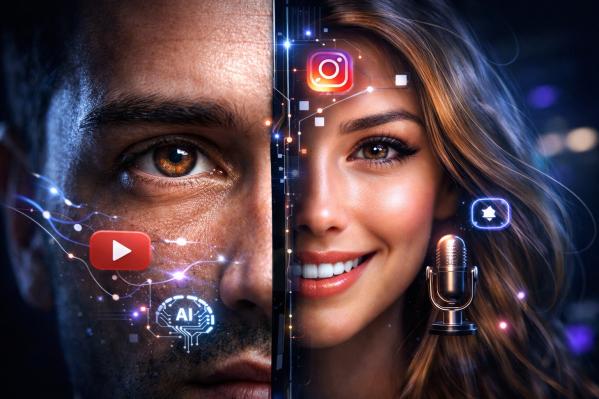
You Think You’re Just Watching — But Your Brain Thinks It’s a Relationship
You follow a YouTuber, binge a podcast host’s episodes, like every Instagram story, and feel oddly connected. You know their habits, moods, opinions, even their pets’ names. Yet, they don’t know you exist.
That one‑sided emotional attachment is called a parasocial relationship — and in 2026, it’s quietly shaping politics, consumer behavior, mental health, and billion‑dollar advertising decisions.
Welcome to the psychology behind the internet’s most powerful invisible force.
What Is a Parasocial Relationship? (Simple Definition)
A parasocial relationship is a one‑sided psychological bond where a person feels emotionally connected to a public figure, influencer, celebrity, or digital creator who is unaware of their individual existence.
The term was first introduced in 1956 by sociologists Donald Horton and Richard Wohl, long before social media. Back then, it applied to TV anchors and radio hosts. Today, it dominates:
-
YouTube creators
-
Instagram influencers
-
Twitch streamers
-
Podcast hosts
-
OnlyFans creators
-
Virtual influencers & AI avatars
Why Parasocial Relationships Feel So Real
Your brain is not designed for the internet.
Neuroscience shows that repeated exposure + perceived intimacy triggers the same neural pathways as real friendships.
Key Psychological Triggers:
-
Eye contact (camera-facing content)
-
Consistent presence (daily stories, weekly uploads)
-
Personal disclosures ("I had a bad day", "Let me tell you a secret")
-
Direct address ("You guys", "I know you understand me")
The brain doesn’t register this as entertainment — it registers it as social interaction.
The Creator Economy Runs on Parasocial Bonds
Brands don’t pay influencers for reach.
They pay for trust.
Why Parasocial Audiences Convert Better:
-
Followers feel emotionally loyal
-
Recommendations feel like advice from a friend
-
Criticism of the creator feels personal
Parasocial vs Social Relationships: The Critical Difference
| Feature | Social Relationship | Parasocial Relationship |
|---|---|---|
| Mutual interaction | Yes | No |
| Emotional feedback | Two‑way | One‑way |
| Accountability | Balanced | Skewed |
| Risk of illusion | Low | High |
The danger begins when illusion replaces reality.
The Dark Side of Parasocial Relationships
While parasocial bonds are not inherently harmful, unchecked intensity can lead to serious consequences.
Psychological Risks:
-
Emotional dependency
-
Loneliness amplification
-
Unrealistic expectations from real people
-
Identity confusion
Extreme Outcomes:
-
Stalking behavior
-
Financial exploitation (excessive donations)
-
Emotional distress when creators change or disappear
🚨 Red Flag: When a creator’s approval starts affecting your self‑worth.
Parasocial Relationships in Dating & Adult Platforms
Parasocial dynamics explode in:
-
Dating apps
-
Live cam platforms
-
Subscription‑based creator platforms
Here, emotional intimacy is often monetized deliberately. Creators don’t sell content — they sell connection.
This is why:
-
Voice notes outperform photos
-
Personalized replies drive renewals
-
Sudden silence causes anxiety
It’s psychology, not manipulation — but the ethical line is thin.
AI Influencers & the Future of Parasocial Bonds
The next evolution is non‑human intimacy. AI avatars, virtual girlfriends, and synthetic influencers are engineered to:
-
Remember preferences
-
Simulate emotional understanding
-
Never abandon the user
🤖 This raises massive questions:
-
Can parasocial relationships replace real ones?
-
Who is responsible for emotional harm?
-
Will loneliness become a monetized product?
Tech companies are betting billions on these answers.
Are Parasocial Relationships Always Bad? (The Balanced Truth)
No. Healthy parasocial relationships can:
-
Reduce loneliness
-
Provide motivation
-
Offer educational value
-
Create community belonging
The problem is unawareness. When users understand the nature of the bond, it becomes empowering, not controlling.
How to Maintain a Healthy Parasocial Boundary
For Viewers:
-
Diversify social connections
-
Avoid financial or emotional over‑investment
-
Remember: content is curated
For Creators:
-
Avoid emotional dependency cues
-
Be transparent about boundaries
-
Respect audience mental health
Ethical creators will dominate the next decade.
Why Parasocial Relationships Matter More Than Ever
In a world of:
-
Remote work
-
Digital loneliness
-
Algorithmic feeds
Parasocial relationships fill emotional gaps faster than society can adapt. Understanding them isn’t optional anymore — it’s essential.
Final Thought: The Internet’s Most Profitable Emotion
Parasocial relationships are not a glitch of the digital age. They are its operating system. Whoever understands them — controls attention, trust, and money.
And in the age of AI and creators, attention is the most expensive currency on Earth.
Related Articles
-
🌱 Veganism Explained: Meaning, Diet, Lifestyle, Benefits & Global Impact
Discover everything about Veganism: meaning, diet, lifestyle, benefits, myths, FAQs, and global impact. Learn why veganism is the future of health and sustainability....
 created by PolyEyes Staff | publish 11 hrs ago | last updated 11 hrs ago 1268 views | 1 recommendations | 0 comments
 -
Russia’s Enteromix Cancer Vaccine: A Game-Changer or Just Hype?
Russia claims its Enteromix cancer vaccine is ready and free for patients, with 100% success in early trials. Is this a medical breakthrough or early hype?...
created by PolyEyes Staff | publish 11 hrs ago | last updated 11 hrs ago 1880 views | 1 recommendations | 0 comments -
Magic of Science: Germany Develops Breakthrough Gel That Regrows Joint Cartilage – No Surgery Needed
German scientists have created a revolutionary gel that regrows joint cartilage naturally. No surgery, no implants—just healing. Discover this arthritis and joint pain breakthrough!...
created by PolyEyes Staff | publish 11 hrs ago | last updated 11 hrs ago 23393 views | 1 recommendations | 0 comments -
🌸 Ovulation vs Menstruation: The Ultimate Guide Every Woman Needs to Read
Learn the clear differences between ovulation and menstruation. Understand timing, symptoms, hormones, and fertility insights to improve women’s reproductive health....
created by PolyEyes Staff | publish 11 hrs ago | last updated 11 hrs ago 2017 views | 1 recommendations | 0 comments -
🌿 Unlock the Secret to a Disease-Free Life: Make Your Body Alkaline, Say Naturopathy Experts
Discover how making your body alkaline through naturopathy can help you prevent diseases naturally. Learn the science, foods, habits, and lifestyle shifts that support pH balance and long-term wellness....
created by PolyEyes Staff | publish 11 hrs ago | last updated 11 hrs ago 1257 views | 1 recommendations | 0 comments -
Shree Anna (Millets): India’s Golden Grain for a Sustainable and Nutritious Future
Shree Anna (Millets) is redefining India's agricultural future with its climate-smart, low-cost, and highly nutritious benefits. Backed by government initiatives, these ancient grains are making a strong comeback, offering sustainable solutions for farmers, better health for consumers, and higher pr...
created by PolyEyes Staff | publish 11 hrs ago | last updated 11 hrs ago 1414 views | 1 recommendations | 0 comments -
Gwada Negative Blood Group: Unraveling the World’s Rarest Blood Type Mystery
Gwada Negative is making headlines as the world’s rarest blood type. But is it fact or fiction? Discover how it compares to Rh-null and HH (Bombay) blood, and why it’s shaking up medical science and social media....
created by PolyEyes Staff | publish 11 hrs ago | last updated 11 hrs ago 2137 views | 1 recommendations | 0 comments -
Bombay Blood (hh) : Must Know Facts About This Rare Blood Type
Bombay blood (hh) is the rarest blood ever discovered. It attains its name from the place of discovery (Bombay, 1952). Bombay blood is very rare and is typically found in 1 Indian out of every 10,000 Indian. Person having Bombay blood can accept only from other Bombay Type blood...
created by PolyEyes Staff | publish 11 hrs ago | last updated 11 hrs ago 6436 views | 1 recommendations | 0 comments -
🌿 Blue Tea Health Benefits 2025: Why This Ancient Brew is Now a Billion-Dollar Wellness Secret
Discover the science-backed health benefits of Blue Tea in 2025 — from boosting brain function and burning fat to balancing blood sugar and enhancing skin health. This caffeine-free herbal drink is the latest global wellness trend with powerful ancient roots....
created by PolyEyes Staff | publish 11 hrs ago | last updated 11 hrs ago 1621 views | 1 recommendations | 0 comments -
👶 IVF in the USA: Top Clinics, Success Rates & Cost Breakdown (2025)
Discover the top IVF clinics in the USA, their 2025 success rates, costs, and what to expect in your fertility journey. Full guide for couples and individuals....
created by PolyEyes Staff | publish 11 hrs ago | last updated 11 hrs ago 4121 views | 1 recommendations | 0 comments






-
Kakori Brand for GI-Tagged Malihabadi Dashehari Mango: How Uttar Pradesh Is Blending Heritage, History and Global Branding
July ,08 2026 - PolyEyes Staff -
JPSC PT Result Without Cut-Off, Final Answer Key Disputes & Just 16 Days for Mains: Why Aspirants Are Calling the 14th Recruitment Process Unfair
July ,06 2026 - PolyEyes Staff -
JPSC 14th Prelims Result Sparks Massive Controversy: No Cut-Off, No Member Signatures, Multiple Correct Answers – Is a Fresh Recruitment the Only Fair Solution?
July ,04 2026 - PolyEyes Staff -
Supreme Court Declares Right to Walk a Fundamental Right: A Landmark Victory for Every Indian
June ,22 2026 - PolyEyes Staff -
JPSC 14th Exam Faces Double Age-Cutoff Crisis: 2018 and 2022 — Why a Fresh Notification May Be the Only Fair Solution
June ,20 2026 - PolyEyes Staff -
Strait of Hormuz: How the Hormuz Crisis Could Trigger a Global Oil Shock and Impact India's Economy
May ,30 2026 - PolyEyes Staff -
🚀 Unemployment in India: Crisis, Causes & the Road to Jobs
April ,16 2026 - PolyEyes Staff -
🦋 Kya Aapko Pata Hai? Titli Ko Udne Ke Liye Do Baar Janm Lena Padta Hai
April ,13 2026 - PolyEyes Staff -
🌊 BIOROCK, Coral Reefs & Rann of Kutch: The Future of Ocean Restoration & Climate Survival
April ,12 2026 - PolyEyes Staff -
🌍 Oil War 2026: USA, Iran, Israel, Venezuela aur Petroleum ka Global Game (Aapki Pocket Ka Silent Killer 😅)
April ,06 2026 - PolyEyes Staff -
🛕🔥 Devari Mandir, Dhoni & CSK: IPL 2026 ka Divine Connection
April ,06 2026 - PolyEyes Staff -
Jharkhand Economy: Complete Notes for JPSC 2026 (Growth, Sectors, Challenges & Opportunities)
April ,05 2026 - PolyEyes Staff -
🤖 Best AI SEO Tools for Bloggers in 2026 (Rank Faster & Grow Traffic)
April ,05 2026 - PolyEyes Staff -
Jharkhand Industrial Policy (2001–2021): Complete Evolution, Analysis & JPSC PT Master Guide (2026)
April ,04 2026 - PolyEyes Staff -
🎓 Best AI Tools for Students in 2026 (Study Smarter, Not Harder)
April ,04 2026 - PolyEyes Staff

Sir I've lost my admit card and I also forget my roll no
Please help me in other ways

Dear Sir,
After login when i click on attempt button to take test a error msg show "Test series ended", plesae resolve this issue.
sir, my name is SWARUP ANAND, my DOB- 01/03/1984, my father’s name- SANTOSH KUMAR SRIVASTWA. I have loss my admit card. Please tell my roll number.
BPSC mains 56th-59th me Roll No. 119040 pass hai aur PT me fail. Mahabhrstachar hai. pls see it must
I am thankful for PolyEyes for most authentic Online BPSC Test Series. These Test are life support for working Aspirant.
sir please tell the authenticity of this news .there is no such news on bpsc website and i heard 17 june as the exam date .please clarify the doubt
r u providing test for BPSC in HINDI medium ?
plz intimate me through emails about BPSC test packages and details of packages and its rate. how many test and when it will be taken plz send details about ur package plans.
Yes Test is available in Hindi as well English and Total Number of Test and Registration details already given above
Best thing im loving about This Test series is its Explanation part. Crisp and to the Point. Thanku Polyeyes.
-
 All Stories
 -
Recently Published Stories
-
Most Viewed Stories
-
Just In Photos
-
Most Viewed Photos
